Parent Teacher Meeting 2027–28: What to Expect, What to Ask, and How to Prepare
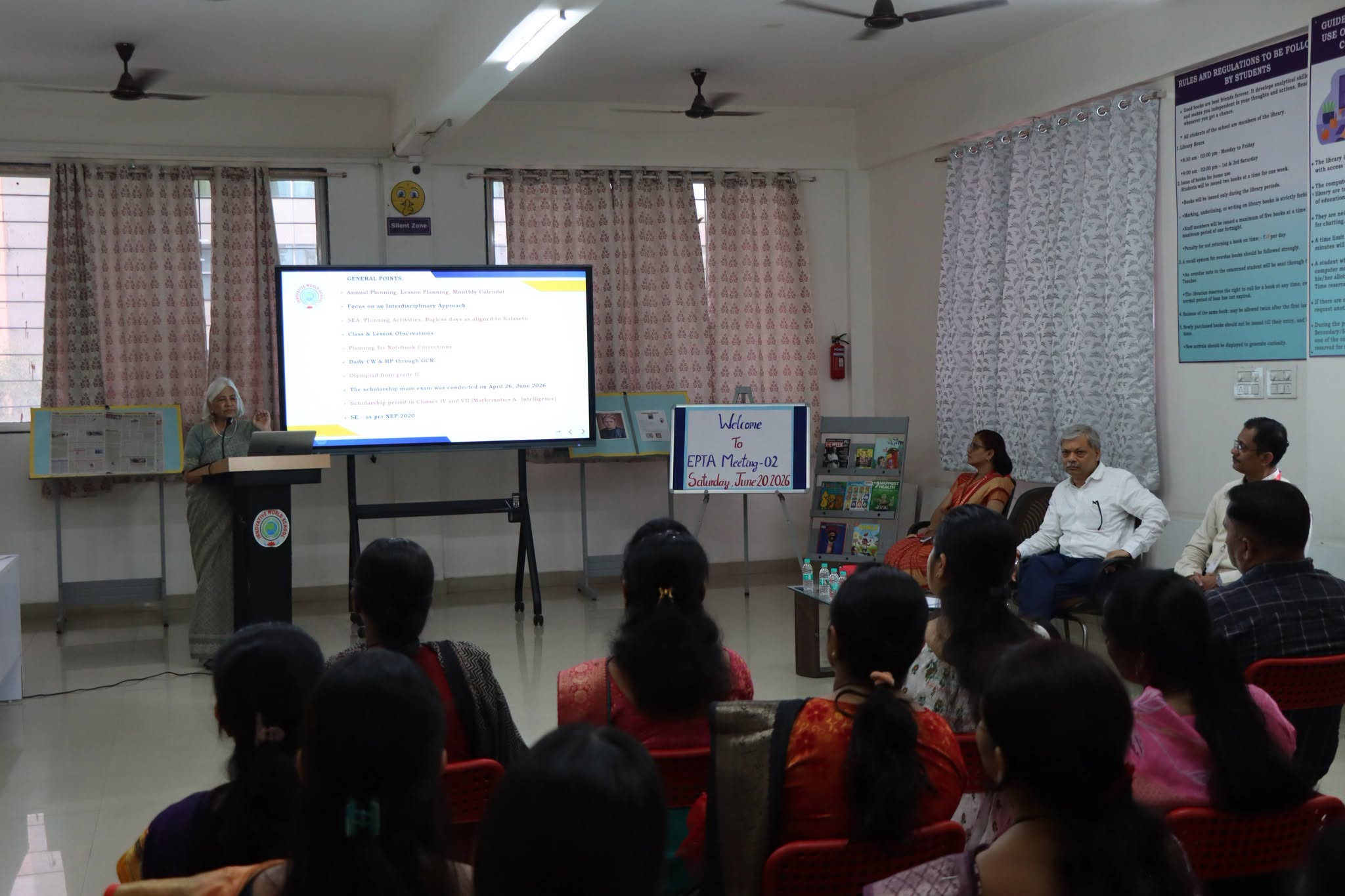
Have you ever walked out of a parent teacher meeting feeling like you forgot to ask the one question that actually mattered? You're not alone. Most parents either go in unprepared and leave with a vague sense of "everything's fine" — or they go in anxious, unsure what they're allowed to ask. Either way, those precious 15–20 minutes don't deliver what they should.
Quick Answer
A Parent Teacher Meeting (PTM) is a 15–20 minute structured conversation between a parent and their child's teacher to discuss academic progress, behaviour, strengths, and areas for improvement. To get the most out of it: talk to your child first, prepare 3–5 specific questions, arrive on time, and follow up within a week. At IWS Chikhali-Moshi, PTMs are designed to be honest, warm, and genuinely useful — not a formality.
At Innovative World School in Chikhali-Moshi, we've been running PTMs since we opened our gates in 2019. And we've learned something important: the most productive meetings happen when parents and teachers arrive as equal partners, not as evaluators and evaluated. This guide gives you the framework to do exactly that — for the 2027–28 academic year and every year after.
What Is a Parent Teacher Meeting — and Why Does It Matter More Than Parents Think?
A Parent Teacher Meeting, PTM, PTI, or Parent-Teacher Conference, is a scheduled one-on-one interaction between a teacher and a parent to discuss a child's progress, conduct, emotional wellbeing, and learning needs.
Most schools in India hold PTMs once per term, which means you typically get two to three of these conversations in a full academic year. That's not a lot of time. Which is exactly why preparation turns a routine check-in into something genuinely transformative.
Here's what most competitor guides won't tell you: a PTM is not a report card reading session. The report card is data. A PTM is a conversation. The difference is enormous.
They focus entirely on academic performance. What they rarely cover is how to discuss your child's social development, friendship patterns, emotional adjustment, and how the school's teaching philosophy is actually playing out in the classroom. These are often the most important conversations — and the ones parents don't know they can have.
Before the Meeting: How to Prepare for a Parent Teacher Meeting at a CBSE School
Preparation is what separates a meaningful PTM from a polite five-minute exchange. Here's how to get ready, whether you're a first-time parent at a pre-primary school in Chikhali-Moshi or the parent of a Class X student.
Talk to Your Child First
This is the single most underrated step. Before you walk into that room, have a relaxed conversation with your child — not an interrogation, just a chat.
- Which subject do they find the most fun? Which one feels hard?
- Who do they sit next to? Do they enjoy that?
- Is there anything they wish the teacher knew about them?
- Is there anything worrying them about school right now?
Children often share things in a relaxed conversation at home that they'd never say in a structured setting. What they tell you becomes your most valuable input for the meeting.
Review Their Recent Work
Pull out notebooks, test papers, and any feedback the teacher has already sent home. Look for patterns, not just scores. Is there a subject where the work looks rushed? Is there one where they've clearly put in extra effort? These are your starting points.
Write Down Your Questions
Don't rely on memory. A PTM is often held in a busy hallway or a classroom with back-to-back appointments. Write your three to five most important questions on your phone or a small notepad. Prioritise them, because you may only have time for a few.
Share Context the Teacher May Not Have
Teachers see your child for hours every day — but only in school. They don't always know about the new sibling who arrived recently, the grandparent who passed away, the shift in the family's routine, or the anxiety your child shows at bedtime. Sharing this context is not oversharing — it's equipping the teacher to do their job better.
PTM Preparation Checklist: Carry This to the Meeting
What to Ask at a Parent Teacher Meeting: 15 Questions That Actually Matter
Here's what most PTM guides give you: generic questions like "Is my child doing well?" That's not useful. What follows is a categorised set of specific, purposeful questions, the kind that open real conversations.
Academic Progress
- Which subject is my child excelling in and what specifically are they doing well?
- Is there a subject where they're struggling, and what does that struggle look like in class?
- Is my child working at grade level, ahead, or behind, and what does that mean practically?
- How does my child's learning style come through in how they engage with lessons?
Behaviour & Social Development
- How does my child interact with their classmates?
- Does my child ask for help when they need it, or do they tend to struggle silently?
- Have you noticed any changes in their behaviour or energy level recently?
- Are there any friendship dynamics I should be aware of?
Home-School Partnership
- What's the one thing I can do at home right now that would make the biggest difference?
- How much time should homework realistically be taking each evening?
- Is my child's screen time or sleep routine coming through in their performance?
Teaching Approach & NEP Alignment
- How is NEP 2020's competency-based learning showing up in my child's daily classroom experience?
- How do you personalise instruction for children who learn differently?
Looking Ahead
- What should I focus on with my child before the next term?
- When and how should I follow up with you after this meeting?
What to Expect at a Parent Teacher Meeting in a Primary School in Chikhali-Moshi
PTM formats vary between schools, and this is an area where the quality of primary schools in Chikhali-Moshi genuinely differs. Here's what a structured, well-run PTM at a good CBSE school in Chikhali should look like:
| Phase | What Happens | Time |
|---|---|---|
| Opening | Teacher sets a positive, collaborative tone. Shares one genuine strength. | 1 min |
| Academic Review | Progress across subjects, work samples shown, specific observations. | 1 min |
| Social & Emotional | Classroom behaviour, peer interactions, emotional adjustment. | 1 min |
| Parent Input | Your observations, your questions, context only you can provide. | 3–4 min |
| Action Plan | Two or three specific, agreed next steps — for both teacher and parent. | 2 min |
If a PTM at your current school consists of the teacher reading numbers off a sheet while you nod — that's a performance review, not a partnership. It's worth asking whether the school's PTM format reflects its values around parent engagement.
How IWS Chikhali-Moshi Runs Parent Teacher Meetings, and Why Parents Come Back More Prepared Each Term
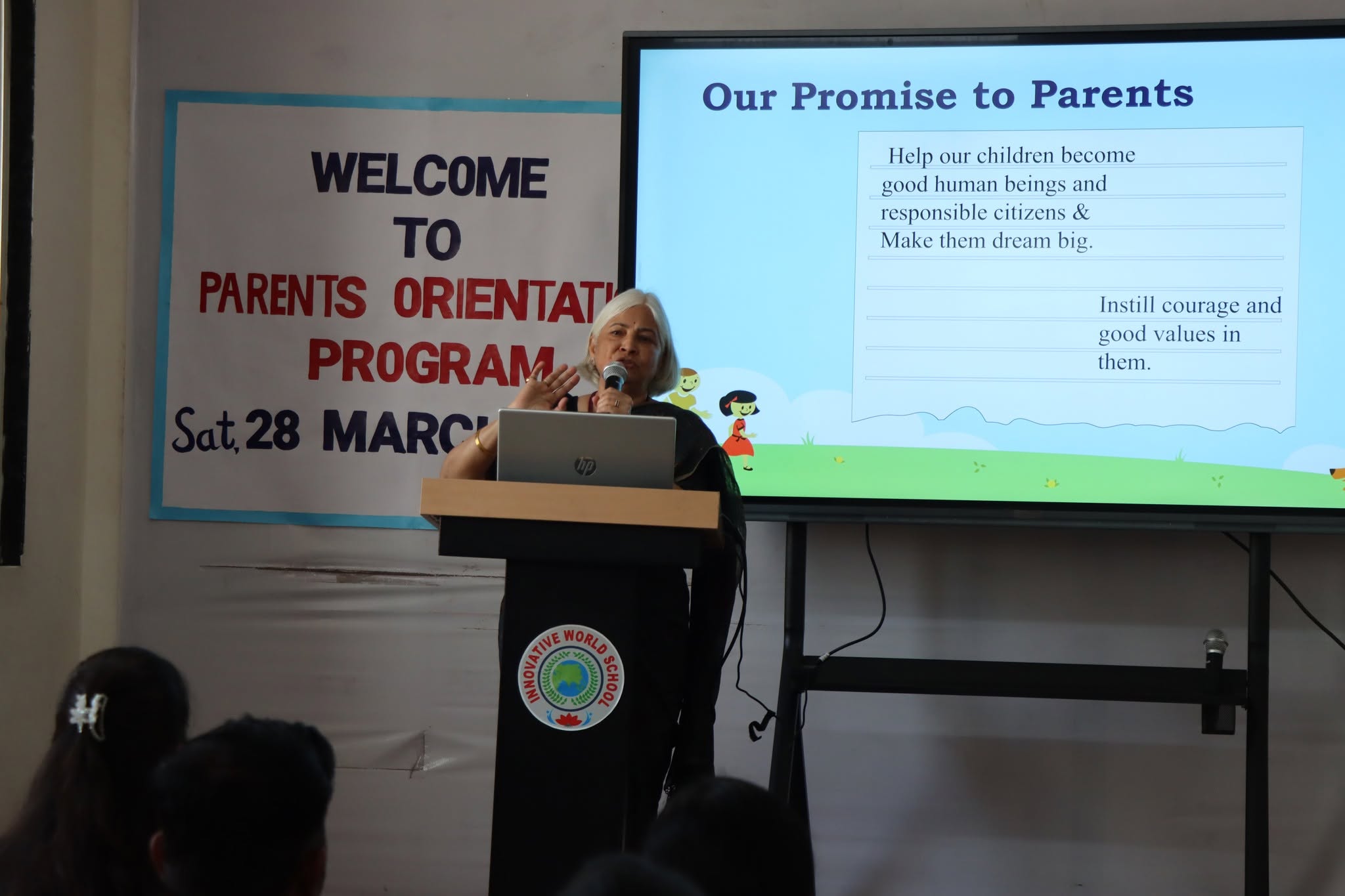
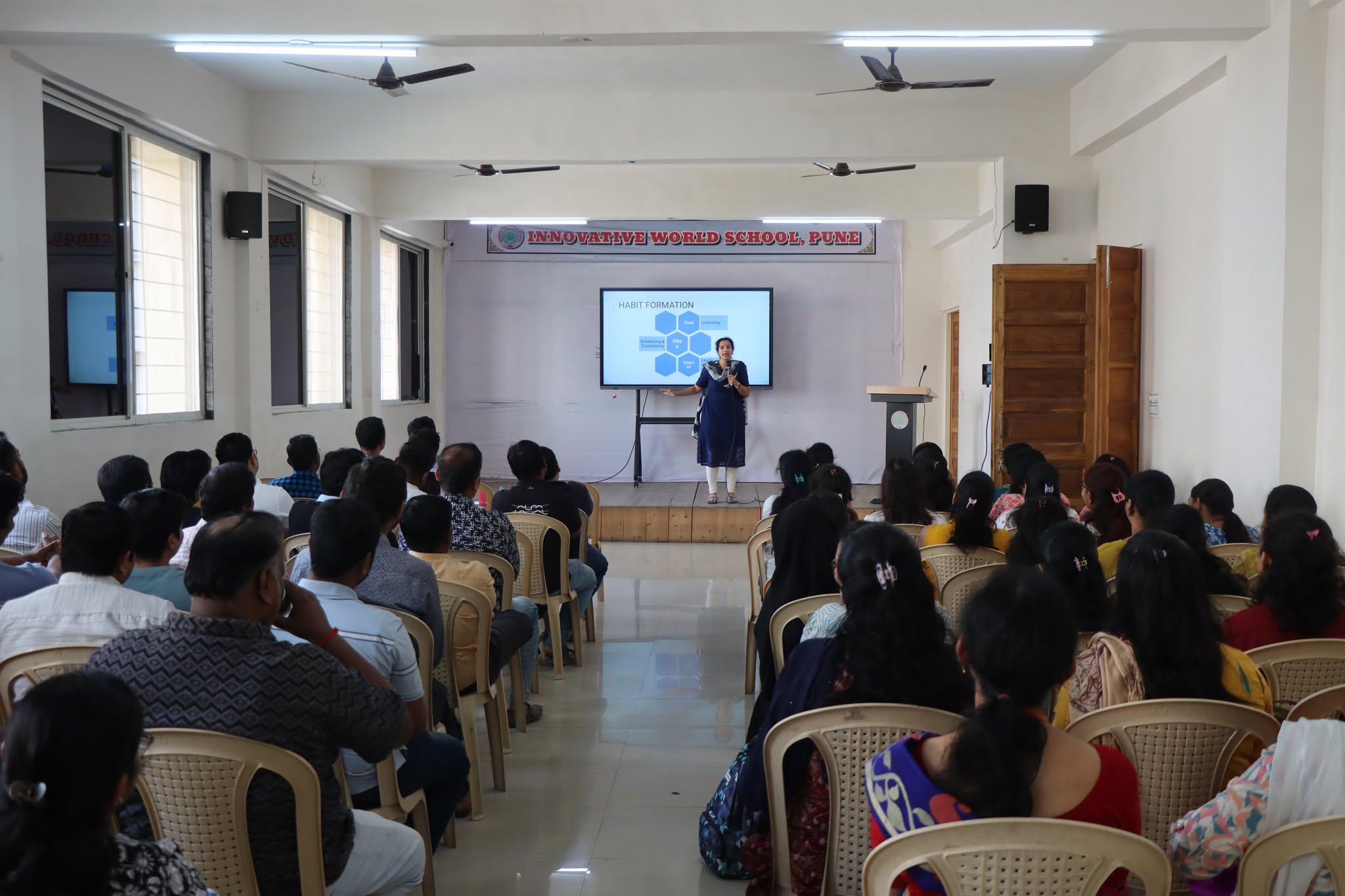
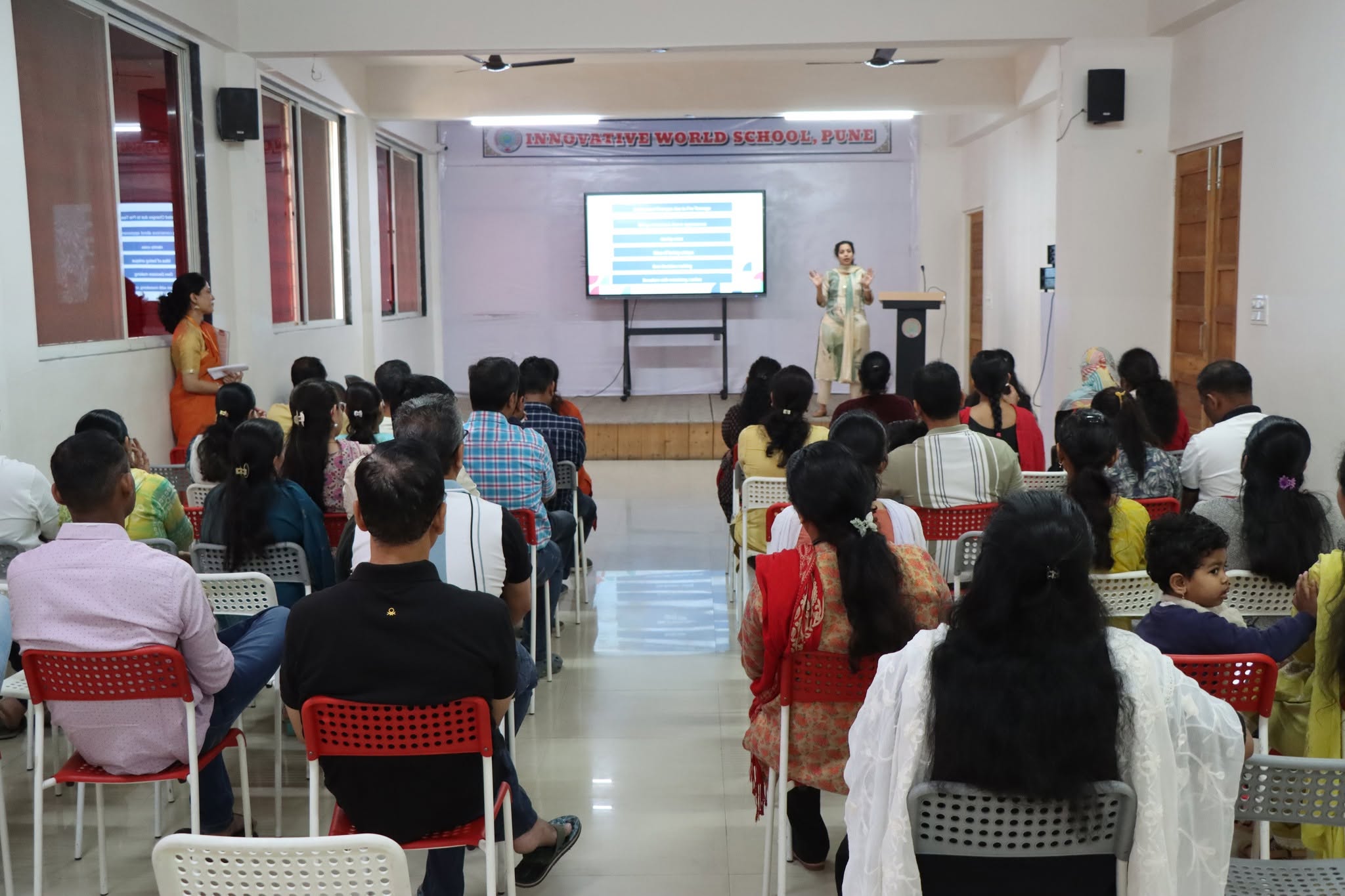
At Innovative World School, we don't treat PTMs as a checkbox in the academic calendar. For us, they're one of the most important touchpoints in the school year, a structured moment to align what's happening in the classroom with what's happening at home.
As one of the best CBSE schools in Chikhali-Moshi, here's what makes our PTM approach different:
- Every PTM includes a social-emotional report, not just an academic one. We believe a child's wellbeing in the classroom matters as much as their test scores.
- Teachers are trained to lead conversations, not deliver monologues. You will be asked questions, not just given answers.
- We share real work samples, notebooks, creative projects, activity sheets, not just grade averages.
- We confirm follow-up steps in writing, so nothing agreed in the room gets forgotten before the next week.
- Parents leave with three clear action points, what the teacher will do, and what you can do at home.
This approach is what parents across the Chikhali, Moshi, Bhosari, and Kasarwadi areas consistently mention when they speak about why they chose, and stayed with, IWS.
If you're currently evaluating schools in Chikhali-Moshi for 2027–28 admissions, we invite you to visit and see how we approach the parent-school relationship from the very first day. Explore our holistic curriculum approach to understand the foundation behind every PTM conversation at IWS.
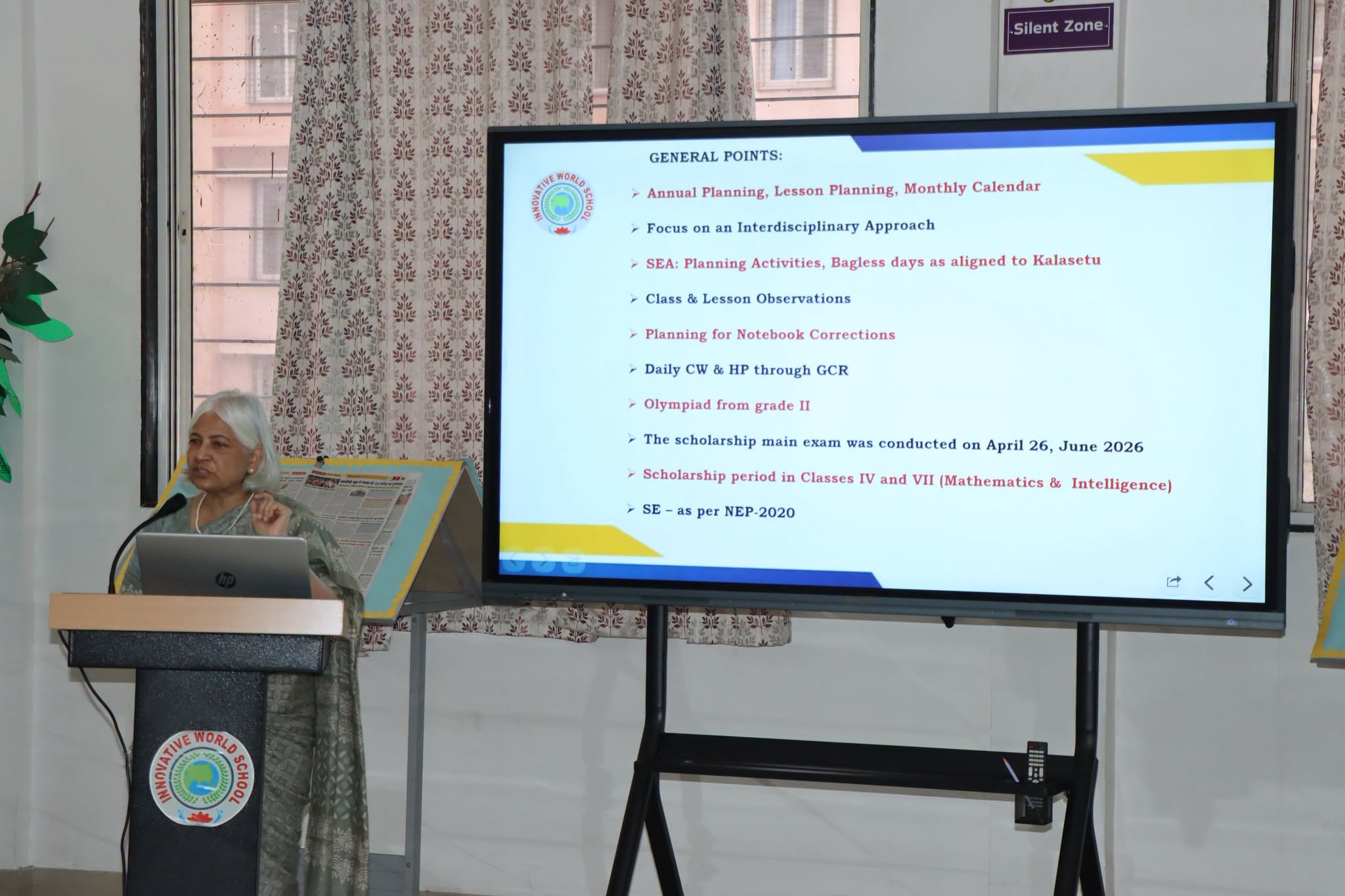
During and After the Meeting: What Most Parents Forget to Do
During the Meeting
After the Meeting, The Step Most Parents Skip
Thinking about what to look for in a school's approach to parent involvement? Read about how IWS approaches primary education in Pimpri Chinchwad to see how PTMs fit into the larger picture.
Frequently Asked Questions — Parent Teacher Meeting
About Innovative World School (IWS)
Innovative World School is a CBSE-affiliated primary and pre-primary school located at Gat No. 90, Dehu-Alandi Road, Chikhali-Moshi, Pune 412114. Established in 2019, IWS serves students from Nursery through Class IX and was recognised as the Best School in Pimpri Chinchwad at the Lokmat PCMC Icon Award 2021. IWS is one of the leading CBSE schools in Chikhali, Moshi, and the broader Pimpri Chinchwad area. Parent engagement — including structured, meaningful PTMs — is a cornerstone of the IWS educational philosophy.
+91 7796337796 / +91 7410006000
info.innovativeworldschool@gmail.com
www.innovativeworldschool.co.in
Admissions open for Nursery, Jr. KG, Sr. KG, Classes I–X (2027–28)